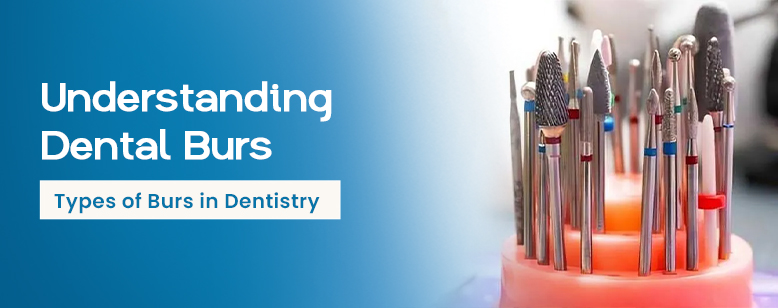
Dental burs have evolved significantly since their early introduction and remain essential tools in modern dentistry. The earliest dental burs were handmade, and it was not until 1891 that machine-manufactured burs became available. Over time, dentists began using different bur types for various procedures, including cavity preparation, crown shaping, and restorative work.
Steel burs were among the first used with rotary dental drills. Although less common today, they are still useful for specific applications, such as working with amalgam restorations. In 1897, diamond burs were introduced and further refined by 1932. These burs are highly effective for cutting enamel, shaping restorations, and polishing tooth surfaces with precision.
Carbide burs followed in the early 1940s, offering sharper cutting edges and greater durability. They are ideal for cutting both natural tooth structure and dental materials efficiently. As dentistry continues to advance, dental burs have been refined to support greater accuracy, speed, and clinical control.
Today, each type of dental bur serves a specific purpose, helping dentists in UAE clinics deliver precise, comfortable, and high-quality treatments.
Let’s begin by exploring the basics of dental burs and their role in dentistry.
What Are Dental Burs?
Dental burs are small, rotating instruments used by dentists to cut, shape, grind, or polish teeth and bone. They are attached to a dental handpiece and play a critical role in a wide range of dental procedures.
General dentists commonly use dental burs to remove cavities, prepare teeth for fillings, and shape tooth structures for crowns or bridges.
- Endodontists rely on burs to gain access to the tooth during root canal treatments.
- Oral surgeons use specialized burs to cut bone or remove impacted teeth during surgical procedures.
- Prosthodontists use them to shape teeth for dentures and dental implants.
A dental bur consists of three main parts.
- The head is the working tip that performs cutting or polishing.
- The neck connects the head to the shank
- The shank is the base that fits securely into the dental handpiece.
There are three main types of dental bur shanks each designed for specific handpieces and procedures.
- Handpiece burs (HP) feature a long, straight shank and are used with slow-speed handpieces.
- Latch-type burs (RA) include a small notch and fit securely into low-speed contra-angle handpieces.
- Friction grip burs (FG) are shorter and thinner, making them suitable for high-speed handpieces.
Each bur type is selected based on the required speed, control, and clinical application.
So, what exactly are dental burs used for in clinical practice? Let’s explore
Uses of Dental Burs in Dentistry
Dental burs are essential instruments that allow dentists to perform a wide range of procedures with accuracy and control. Their versatility makes them valuable in both routine dental care and advanced treatments.
- One of the most common uses of dental burs is cavity preparation, where they remove decayed tooth structure before placing fillings.
- Dentists also use burs for crown preparation, carefully shaping teeth so crowns fit securely and function properly.
- When restorations become worn or damaged, crown removal burs help safely cut and remove existing crowns.
- In cosmetic and restorative dentistry, dental burs are used for tooth shaping and polishing, refining tooth surfaces after fillings or aesthetic procedures.
- They also play an important role in finishing restorations, allowing dentists to smooth, contour, and polish fillings or crowns for a natural appearance and correct bite alignment.
- During endodontic procedures, burs assist in root canal access by creating an opening to reach infected pulp tissue.
- Dentists also rely on burs to remove old or damaged fillings, ensuring proper replacement and long-term treatment success.
Overall, dental burs improve treatment precision, reduce procedure time, and enhance patient comfort. Modern dentistry emphasizes selecting the appropriate type of bur based on each procedure and patient requirement.
Below is a detailed guide explaining the different types of dental burs and their clinical uses.
Dental Burs: Types Based on Materials and Shape
Dental burs are classified based on their material composition, method of attachment to the handpiece, and head shape.
Understanding these categories helps dentists select the right bur for each procedure and achieve precise clinical results.
Types of Dental Burs by Material
| Category | Type | Primary Uses | Key Features |
|---|---|---|---|
| By Material | Diamond Burs | Cutting hard tooth tissue, cavity preparation, crown work, and finishing | Available in coarse or fine grit for rough or smooth cutting; extremely hard and durable |
| By Material | Carbide Burs | Removing decay, cutting metal or bone, and splitting teeth during extraction | Strong, precise, and up to three times tougher than steel |
| By Material | Gold Burs | Preparation, trimming, and finishing, mainly on vital teeth | Produces less vibration, offers smoother finishes, and lasts longer than standard burs |
| By Material | Ceramic Burs | Soft-tissue procedures such as cutting gums or oral tissues | Low heat generation; allows precise cutting without burning tissue |
| By Material | Polishing Burs | Smoothing and polishing restorations like zirconia, metal, and composite | Enhances restoration appearance and patient comfort |
| By Material | Milling Burs | CAD/CAM milling of materials like zirconia, E-MAX, PMMA, wax, and PEEK | Designed for automated milling machines with high precision |
| By Material | Endo Files (Rotary) | Cleaning, shaping, and preparing root canals during endodontic treatment | Small, flexible, and designed for efficient canal preparation |
Types of Dental Burs by Shank Type
| Category | Type | Primary Uses | Key Features |
|---|---|---|---|
| By Shank Type | Friction Grip Burs (FG) | Most commonly used with high-speed handpieces. | Various lengths: FGSS (Short), FG (Standard), FGOS (Surgical), FGXL (Extra long). |
| Latch-Type Burs (RA) | Attaches to low-speed contra-angle handpieces. | Locks in with a small latch. | |
| Long Straight Shank Burs (HP) | Used mainly in dental labs or with slow-speed handpieces in clinics. | Larger and straight. |
Dental Burs Classified by Shape
| Dental Bur Shape | Primary Uses |
|---|---|
| Round Burs | Removing dental caries, opening cavities, and gaining access during root canal treatments |
| Pear-Shaped Burs (330 burs) | Preparing cavities with undercuts for retention and shaping teeth for restorations |
| Spiral Cool-Cut Burs | Cutting enamel and dentin efficiently while reducing heat buildup |
| Flat End Tapered Bur | Crown preparation, flattening cavity floors, and creating precise walls |
| Football Burs (Egg-Shaped) | Occlusal reduction, contouring cusps, and shaping tooth surfaces |
| Torpedo Burs | Fine detailing, fissure opening, and precise finishing in restorations |
| Inverted Cone Burs | Creating undercuts, retentive features, and shaping cavity margins |
| Flat Ended Tapered Burs | Crown and bridge preparation with flat occlusal surfaces for stability |
| Tapered Fissure Burs | Cutting converging walls, crown preparations, and forming retention grooves |
| Flame-Shaped / Finishing Burs | Contouring, polishing, and finishing restorations, especially in interproximal areas |
How to Choose the Right Dental Bur
Selecting the right dental bur is crucial for dentists to perform procedures safely, efficiently, and accurately. The choice depends on several factors, including the material being cut, the type of procedure, the handpiece used, and the patient’s condition.
- For hard materials like enamel, ceramic crowns, or zirconia, diamond burs are preferred for their ability to cut tough surfaces quickly.
- Carbide burs are ideal for cutting dentin, metal fillings, or bone, offering precision and strength.
- Ceramic burs are suited for soft-tissue procedures or cosmetic work, generating less heat and enhancing patient comfort.
The shape of the bur is also critical.
- Round and pear-shaped burs are commonly used for cavity preparation and decay removal.
- Flat, tapered, or fissure burs help shape teeth for crowns, bridges, or restorative procedures.
- Fine or polishing burs create smooth surfaces, while specialized endodontic burs aid in root canal access.
The handpiece type determines compatible burs.
- High-speed handpieces require friction-grip burs for fast, precise cutting.
- Low-speed contra-angle handpieces use latch-type burs for trimming, polishing, or soft-tissue work.
- Slow-speed lab handpieces utilize long straight shank burs, mainly for lab or surgical applications.
Patient-specific factors are important.
- For children or sensitive teeth, smaller or finer-grit burs minimize discomfort.
- Elderly patients or those with restorations benefit from burs that reduce vibration and heat, such as gold or ceramic burs.
- Nervous patients also respond better to burs that enhance comfort.
Finally, bur coarseness matters.
- Coarse burs remove material quickly
- Medium grit burs shape and smooth surfaces
- Fine or extra-fine burs provide the final polish
By carefully selecting burs based on material, shape, handpiece, patient needs, and grit, dentists in UAE clinics can achieve optimal treatment outcomes while ensuring patient safety and comfort.
Find the Right Dental Burs at Smile Dent
Choosing the right dental burs is essential for making dental procedures faster, more precise, and comfortable for patients. Whether you are removing decay, shaping a tooth for a filling, or preparing a crown, the correct burs help you perform treatments smoothly and safely.
Dental burs come in different materials – diamond, carbide, ceramic, and steel, and are designed in various shapes and shank types for specific tasks. Using the appropriate bur reduces procedure time, minimizes patient discomfort, and ensures better clinical outcomes.
At Smile Dent, we understand the importance of high-quality tools in your dental practice. That’s why we offer a comprehensive range of dental burs, endodontic burs, and other precision instruments. Our products are crafted to deliver superior cutting efficiency, durability, and comfort, allowing dentists in UAE clinics from Dubai and Abu Dhabi to Sharjah, to work confidently on both routine and complex procedures.
Upgrade your dental toolkit with Smile Dent’s trusted collection of reliable, ISO-certified burs and instruments. Experience the difference that premium-quality tools make in daily practice, helping you work smarter, faster, and with confidence while providing patients with precise, safe, and comfortable dental care.
FAQs
What is the most commonly used dental bur?
The 330 pear-shaped bur is one of the most commonly used burs in dentistry. It is ideal for cavity preparation, as its shape allows dentists to remove decay efficiently and shape the tooth accurately.
Which dental bur is best for cutting enamel?
Diamond burs are the best choice for cutting enamel, the hardest substance in the human body. They provide smooth, precise cutting for restorative procedures and crown preparations.
Are diamond burs better than carbide burs?
Both types are effective but serve different purposes:
- Diamond burs are best for grinding hard surfaces like enamel or ceramic.
- Carbide burs excel at cutting and shaping softer materials like dentin, metal, or old restorations.
Dentists often use both types during a single procedure for optimal results.
Can dental burs be reused?
Yes, reusable burs can be sterilized and used multiple times. Always clean and sterilize them after each use. Replace burs immediately if they become dull, chipped, or damaged.
How long do burs typically last?
- Diamond burs usually last 5–10 uses, depending on grit and pressure applied.
- Carbide burs may last up to 20 uses with proper handling.
Replace burs if they stop cutting efficiently or vibrate during use.
How should dental burs be cleaned and sterilized?
- Rinse under running water immediately after use.
- Remove debris with a bur brush or ultrasonic cleaner.
- Dry completely and place in a sterilization pouch.
- Autoclave at the recommended temperature and pressure.
- Always follow manufacturer instructions to maintain performance and lifespan.